
Last updated September 20, 2026
Full 25-point door and opener safety check with every visit - springs, cables, rollers, tracks, and your LiftMaster or Chamberlain opener included
You get a price before we start. It does not change when the truck arrives.
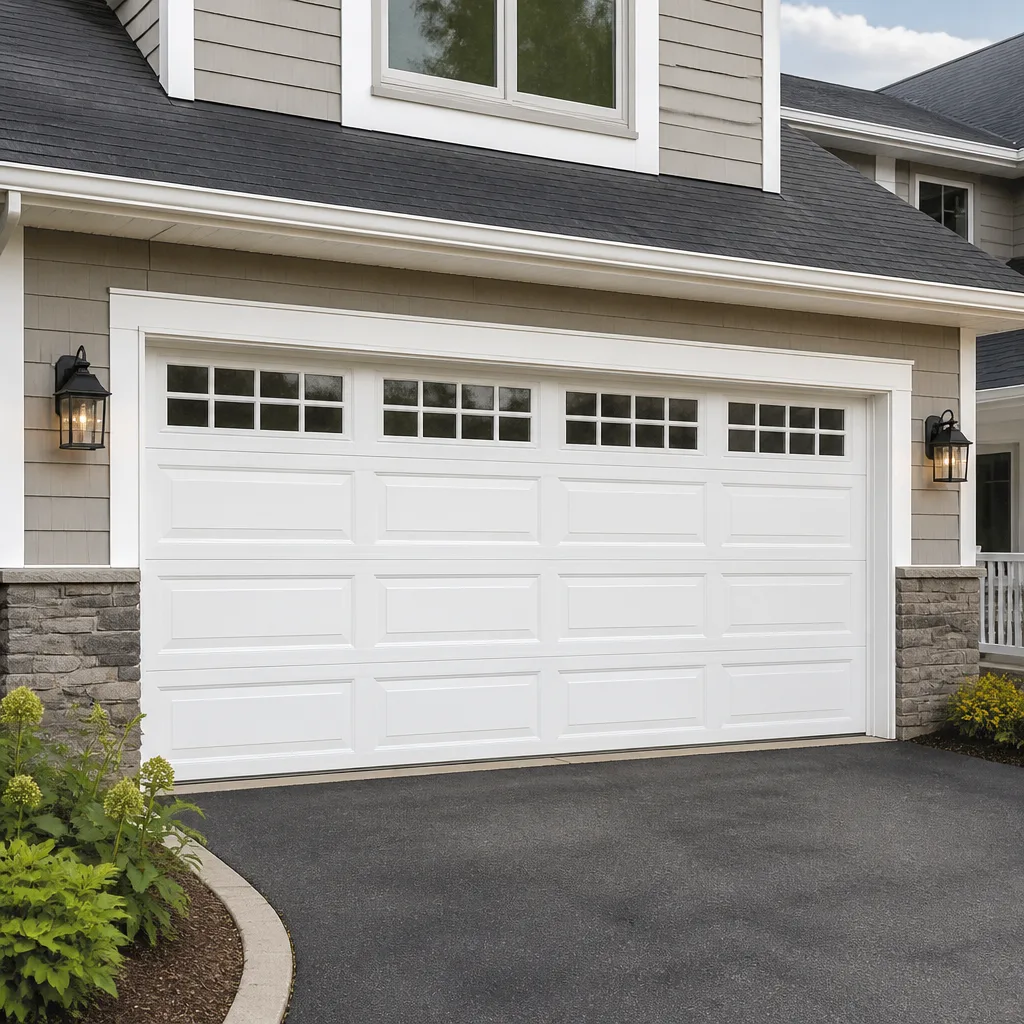
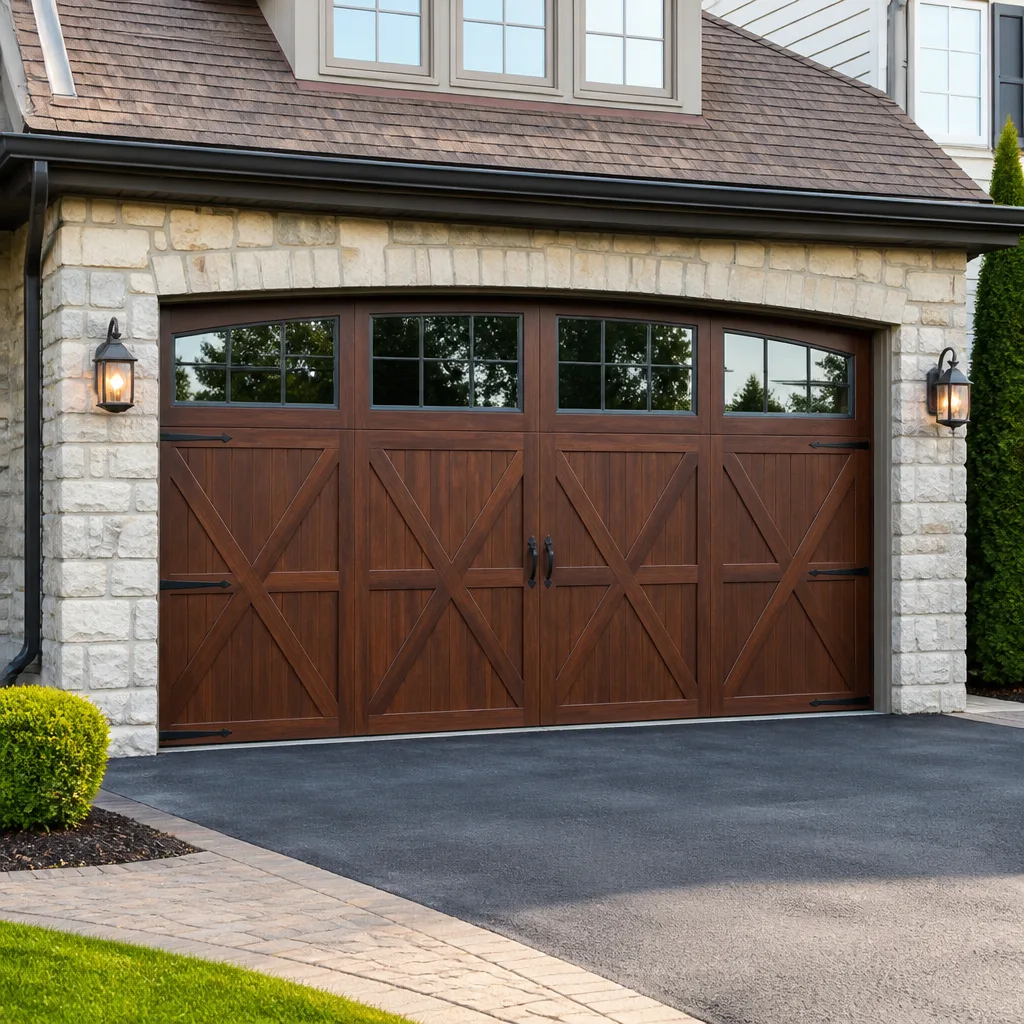
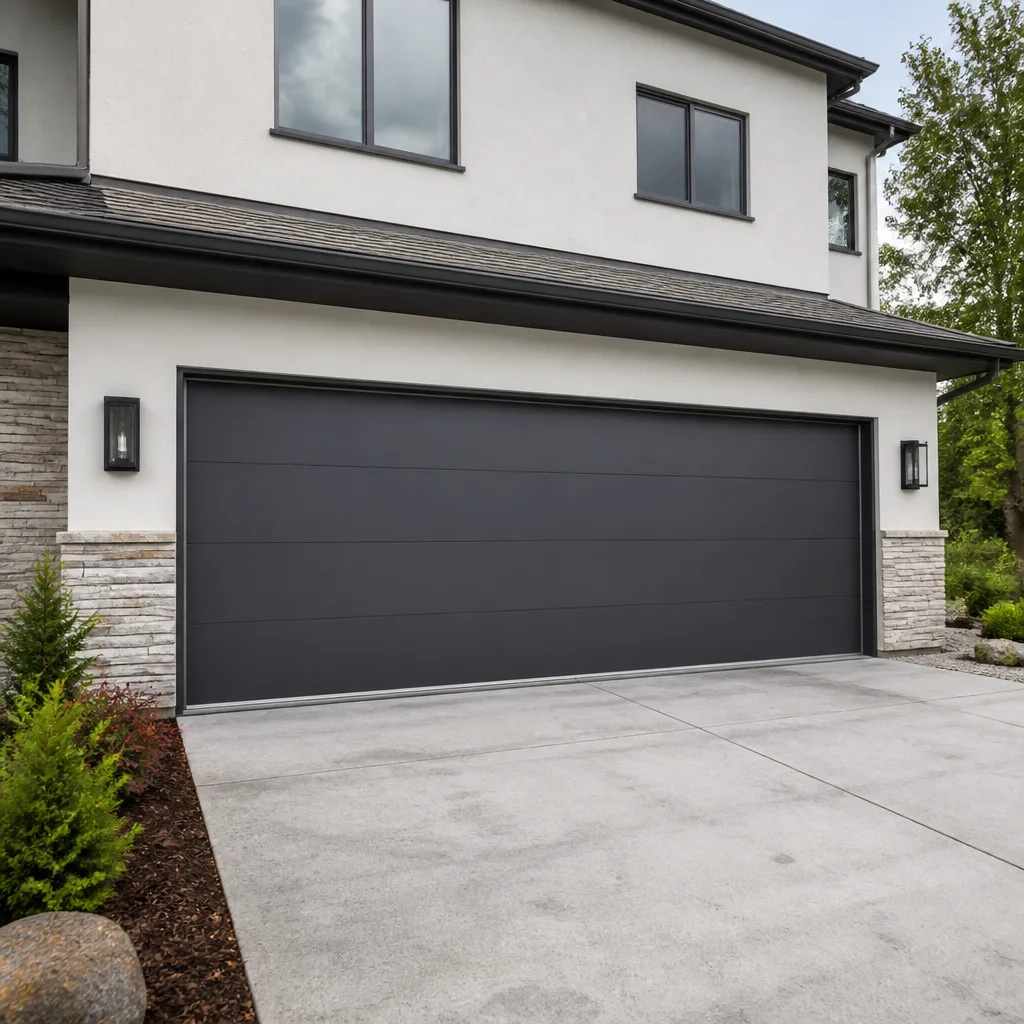
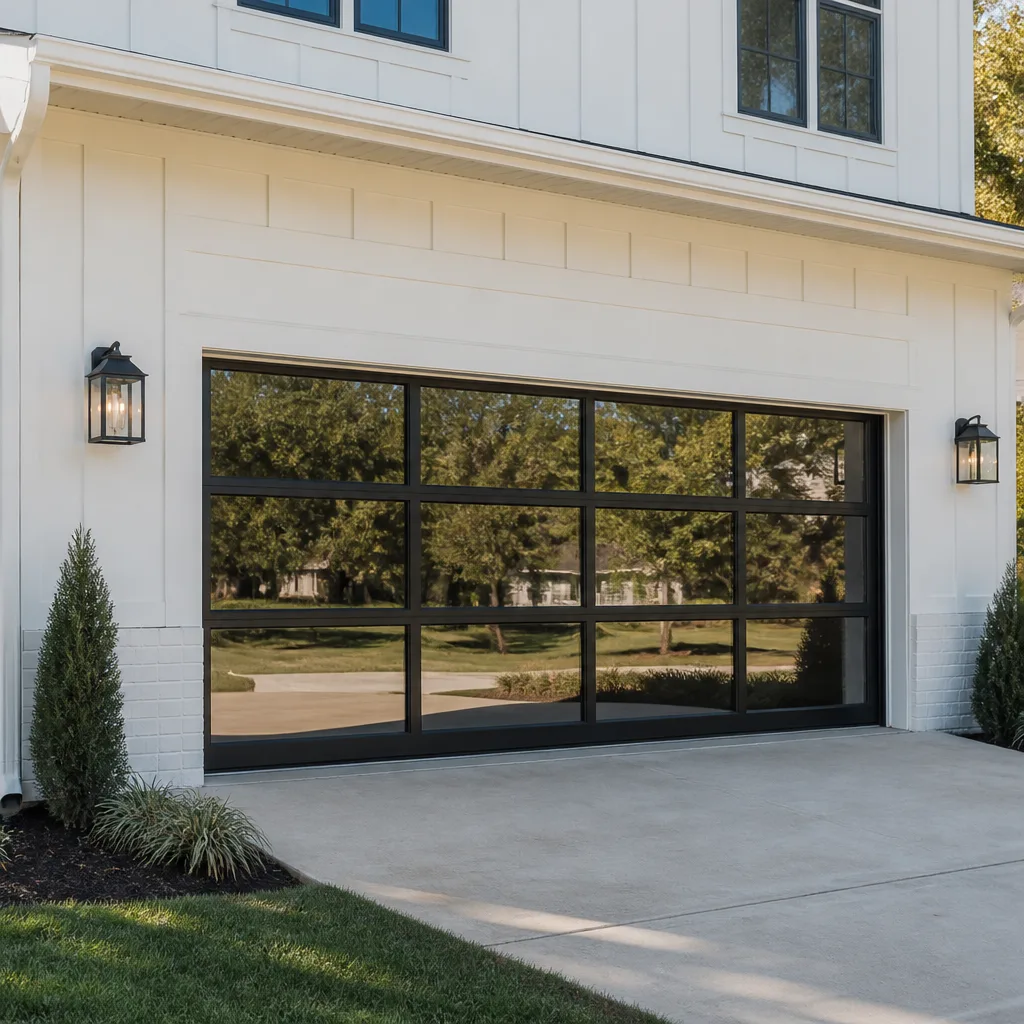
 Before
 After
After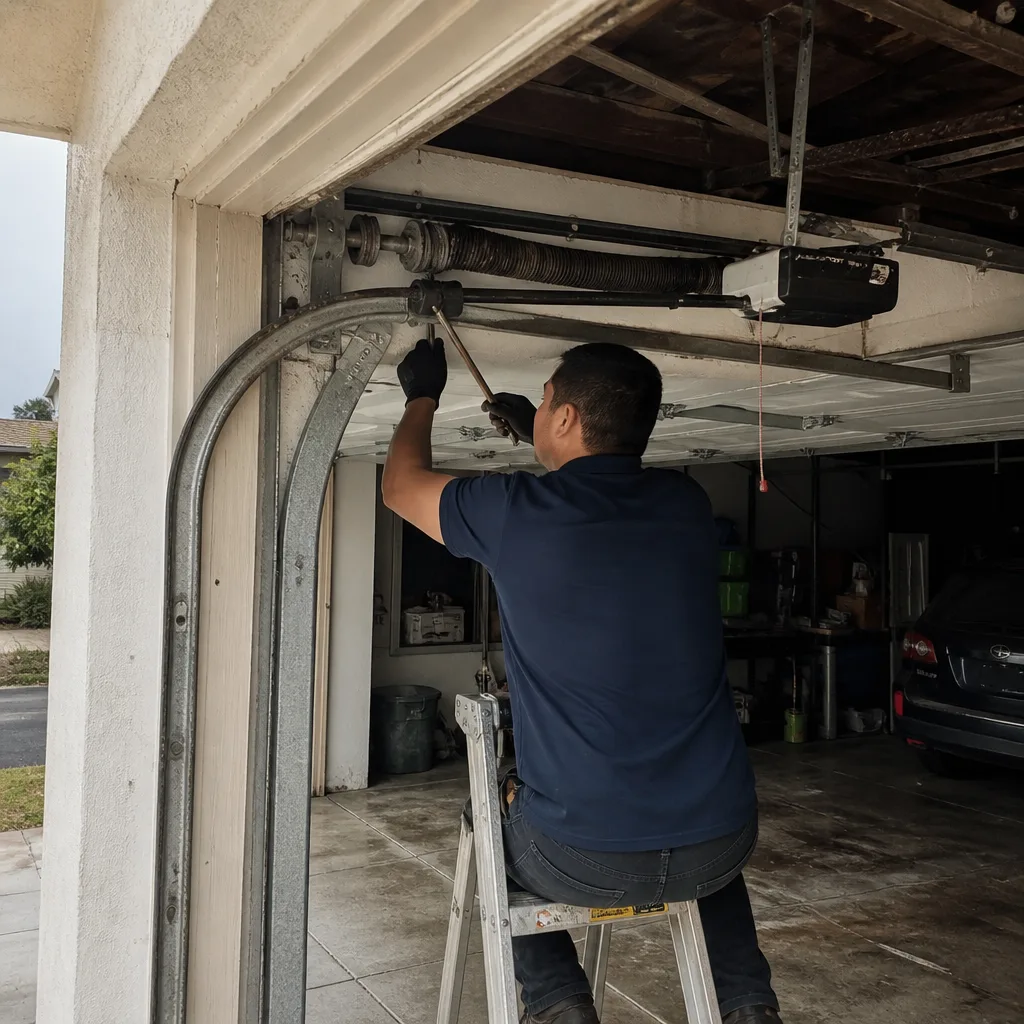 Before
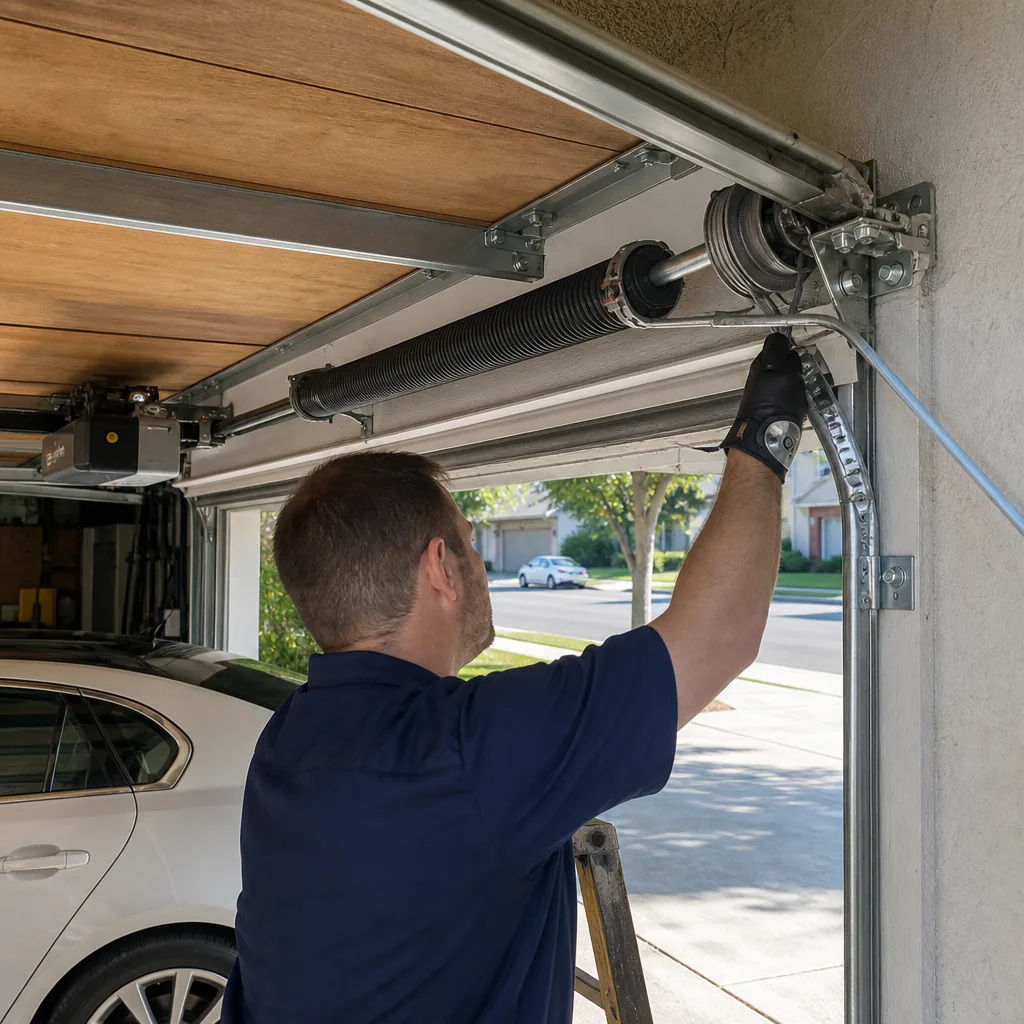 After
After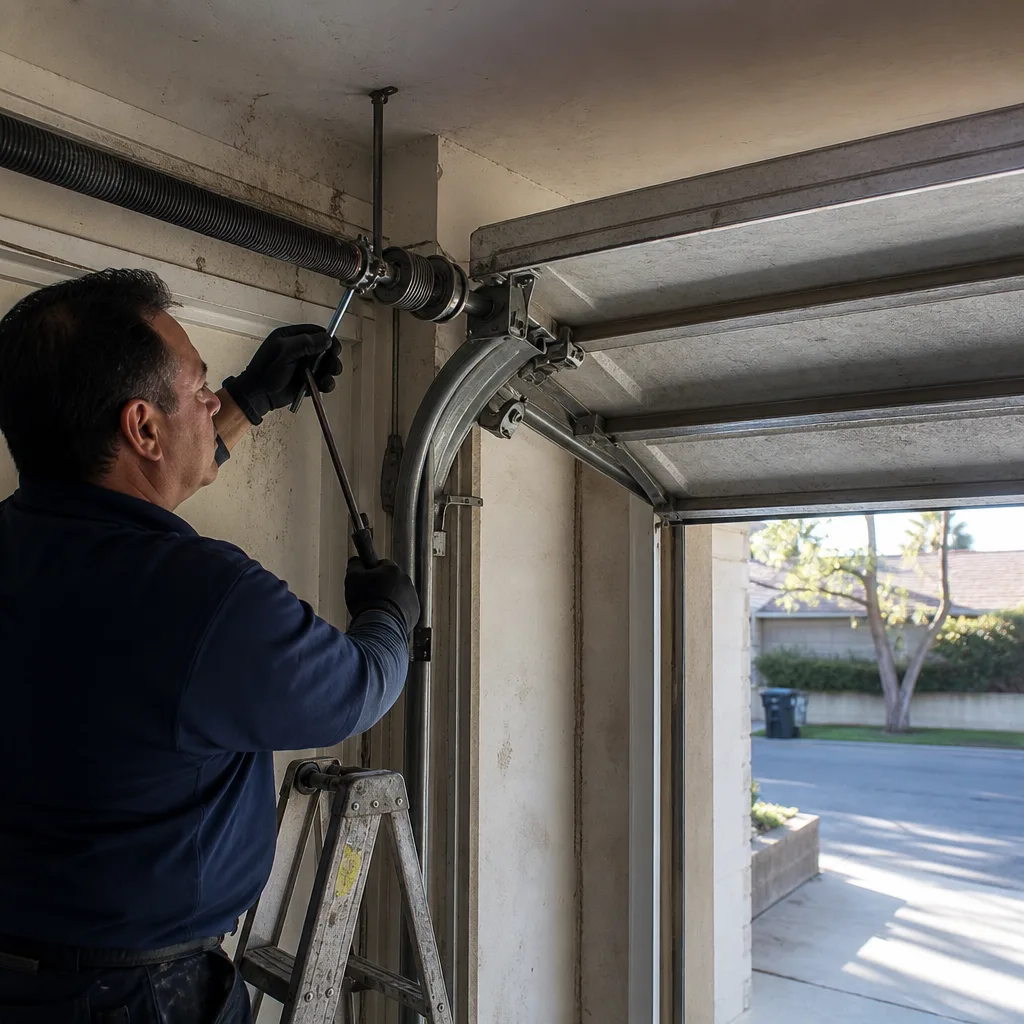 Before
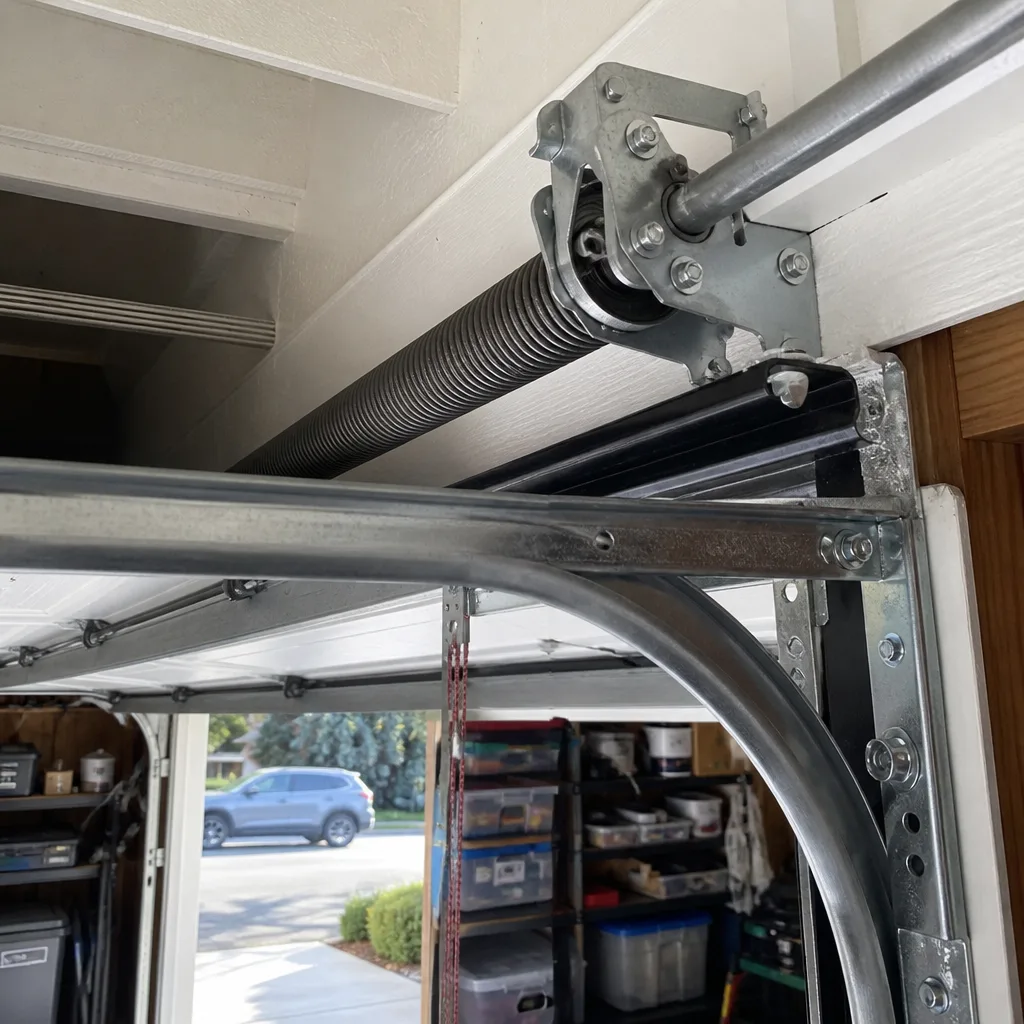 After
AfterGarage Door Permits, Codes & Inspections in CA: What You Need to Know
A garage door spring replacement never requires a permit in California. A new door installation almost always does. Most homeowners don’t know the line exists, which means they either over-permit simple repairs or under-permit full replacements. Both mistakes cost money, and the second one can follow you for years. This guide draws the exact line between what triggers a Pasadena Building & Safety permit and what legally doesn’t, what inspections actually check for, and where HOAs and insurance companies fit into the picture.
Quick Answer
In Pasadena, a permit is required when you replace the entire garage door assembly or alter the opening’s structural framing. It is not required for spring replacement, cable replacement, opener installation, track realignment, or panel replacement on an existing door. The permit is a building permit issued by Pasadena Building & Safety, it typically costs between $150 and $400 depending on project valuation, and the contractor is legally responsible for pulling it, not the homeowner.
Table of Contents
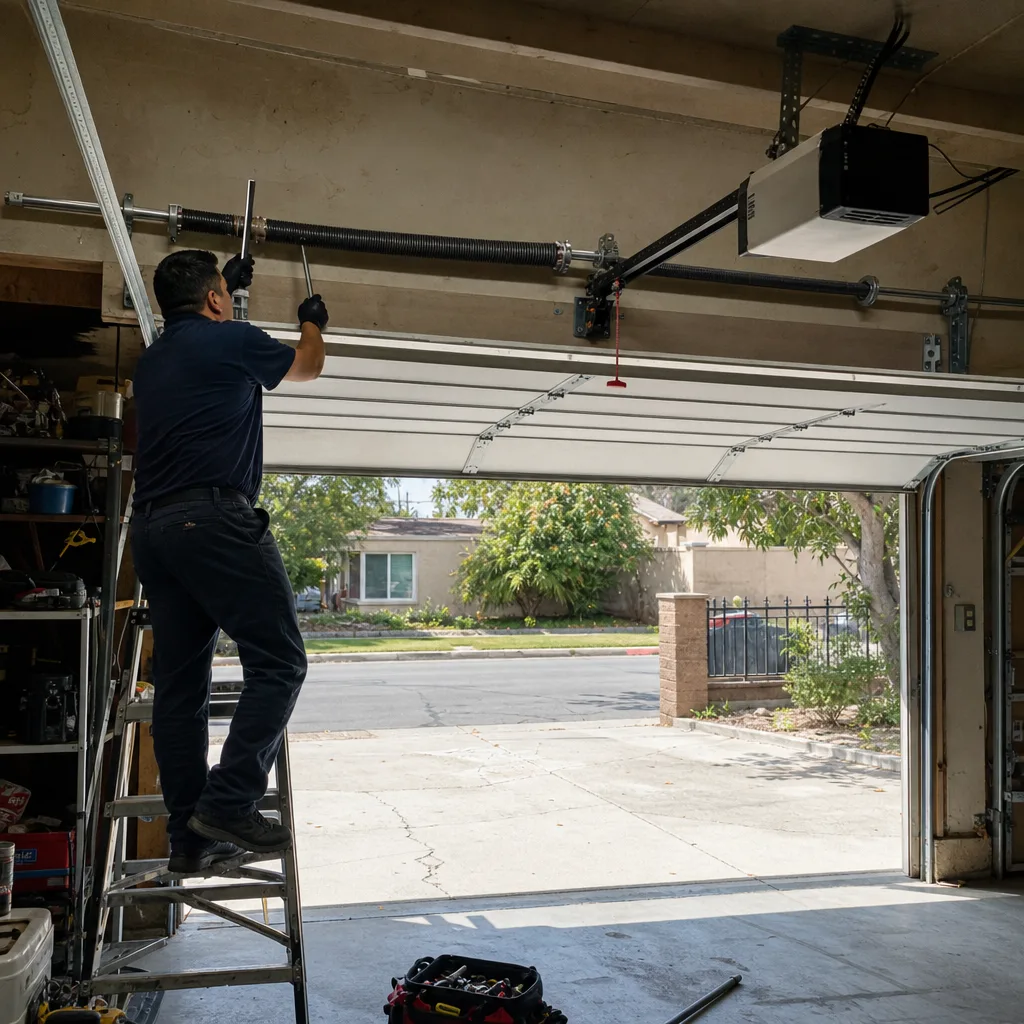
- Where the Permit Line Actually Sits
- What California Building Code Section 106 Says
- The Pasadena Permit Process: Cost, Timeline, and Responsibility
- UL 325 and Entrapment Protection: What Inspections Look For
- The HOA Layer: Pasadena and Altadena Design Review
- What Happens When Unpermitted Work Is Discovered
- Common Mistakes to Avoid
- When to Call a Professional
- Frequently Asked Questions
- The Bottom Line
BeforeAfterWhere the Permit Line Actually Sits
Here is the distinction most homeowners miss: a garage door is two things at once. It is a mechanical system, and it is a structural component of the building envelope. Pasadena Building & Safety cares about the second part. When you replace a torsion spring, swap out a logic board, or install a new opener, you are working on the mechanical system. The structure of the opening has not changed. No permit required.
When you remove the entire door assembly, replace the jambs, or alter the header above the opening, you are touching the structure. That triggers a building permit. A new door installation falls into this category because the new door’s track system, weight, and mounting points differ from the old one, and the city wants to verify the opening can carry the load correctly.
In our experience serving Pasadena since 2015, this line surprises people in both directions. Homeowners in neighborhoods like Bungalow Heaven and Madison Heights sometimes assume every garage door repair needs city approval, so they hesitate on a spring replacement that could be done safely and legally the same day. Conversely, homeowners in the San Rafael Hills sometimes assume a full door replacement is a simple swap, when it legally requires paperwork.
Here is a practical breakdown:
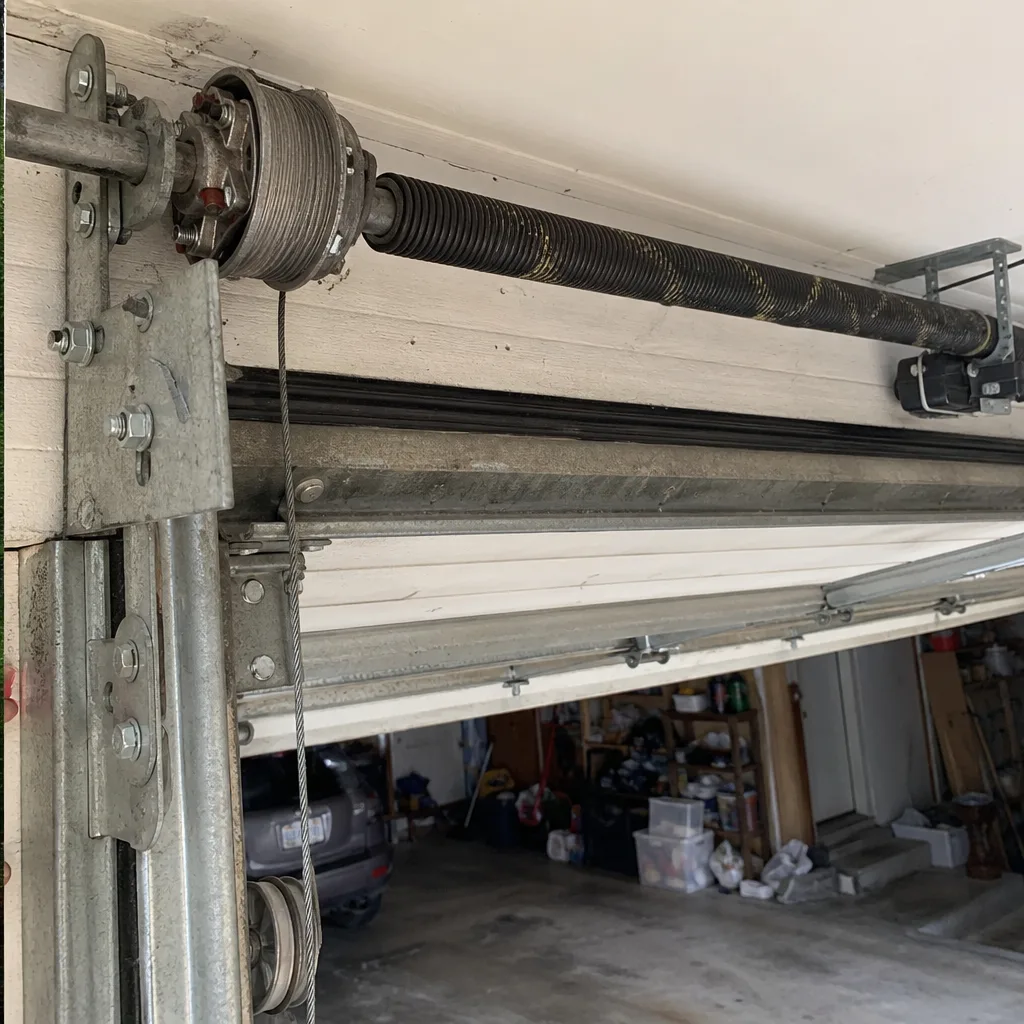
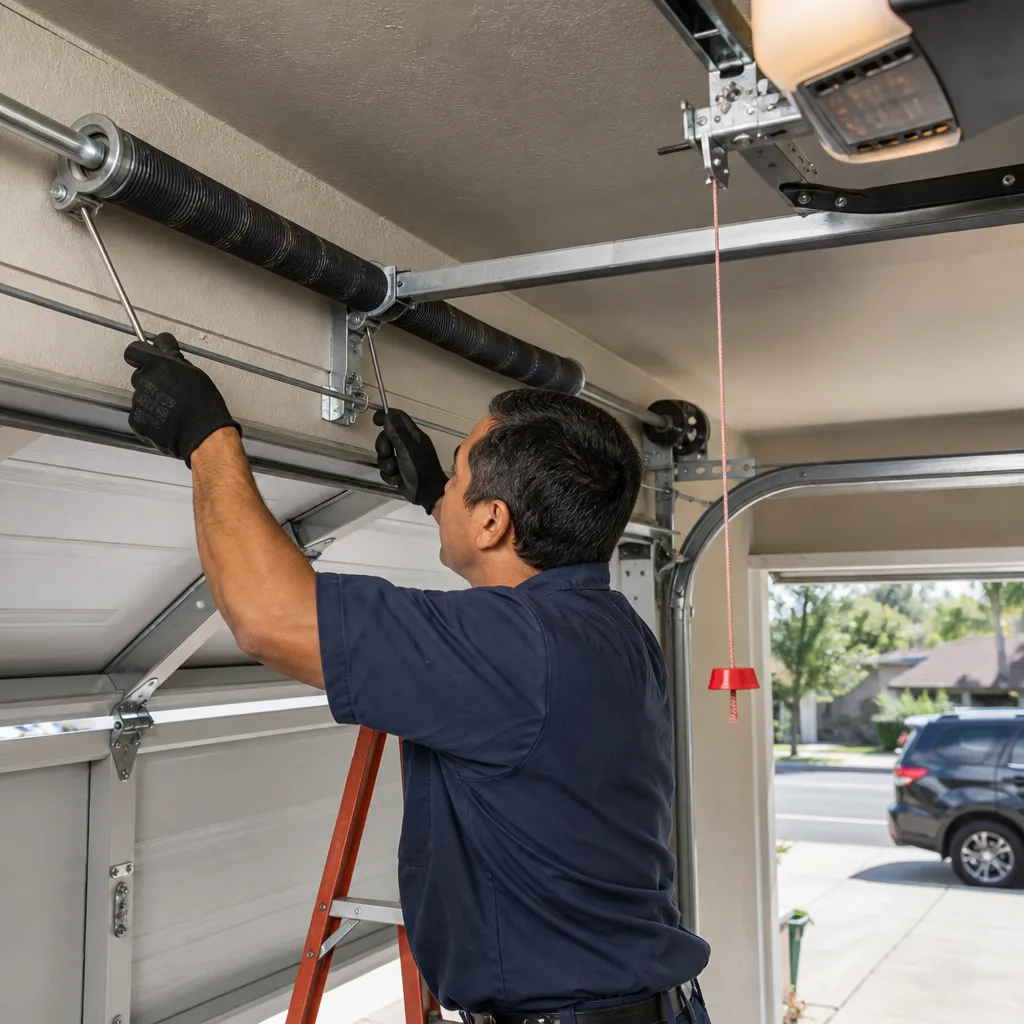
- No permit required: torsion or extension spring replacement, cable replacement, roller replacement, hinge replacement, track realignment, opener motor replacement, photo eye sensor replacement, panel replacement on an existing door, weather seal replacement.
- Permit required: full door assembly replacement, installation of a door where none existed, enlarging or narrowing the rough opening, replacing or modifying the header, any work that involves cutting into framing.
If you’re unsure which side of the line your project falls on, the simplest test is this: does the work change the size, shape, or structural support of the opening itself? If yes, permit. If the opening stays exactly as it is and you’re swapping mechanical parts, no permit.
What California Building Code Section 106 Says
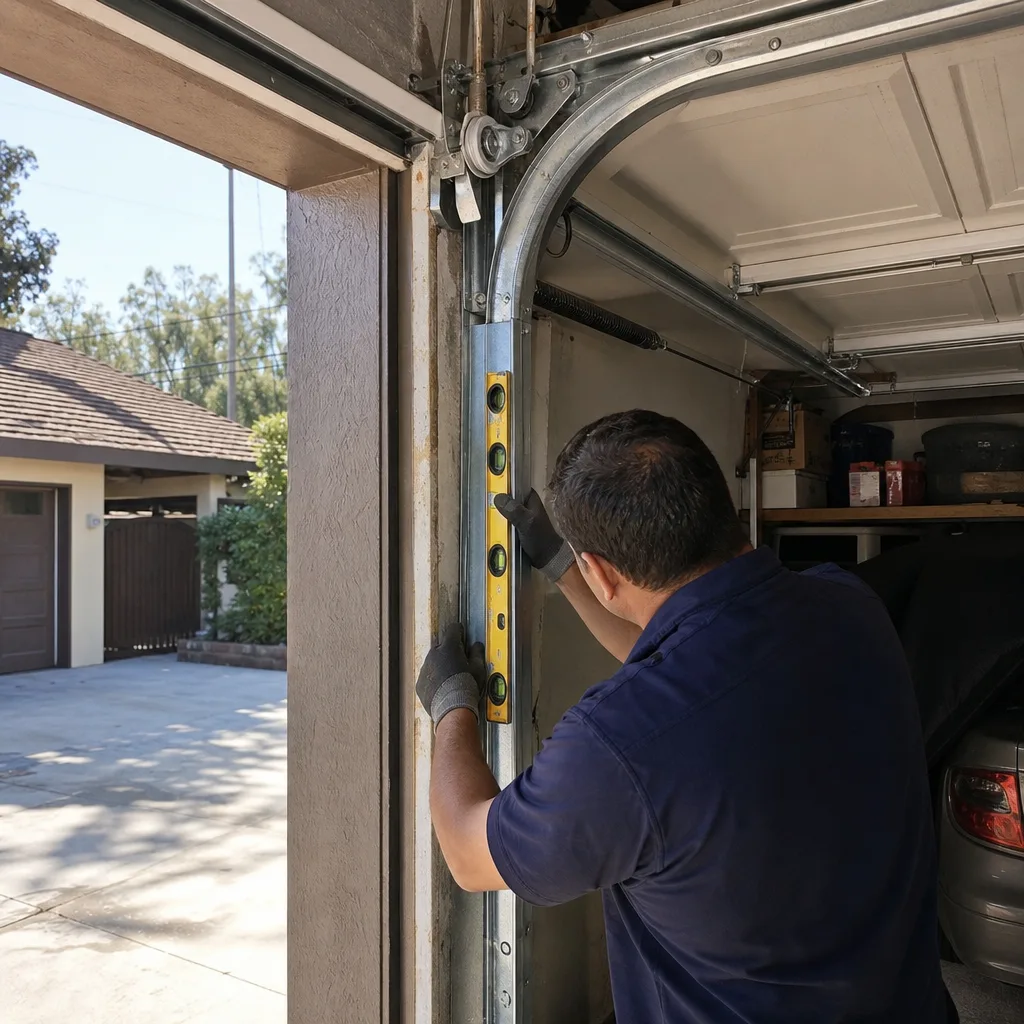
California Building Code (CBC) Section 106 governs when a permit is required for construction work. It is not garage-door-specific, which is why so much confusion exists. The code requires a permit for any work that involves “constructing, enlarging, altering, repairing, moving, demolishing, or changing the occupancy of a building or structure.” The operative words for garage door work are “altering” and “repairing.”
The California Building Code includes an exemption list in Section 105.2, and this is where the nuance lives. The list exempts certain minor repairs from the permit requirement, but the exemption language is written broadly enough that municipalities interpret it locally. Pasadena, as a charter city, adopts the California Building Code with its own amendments and enforces its own interpretation through Pasadena Building & Safety.
Here is what that means in practice for Pasadena homeowners:
- The California Building Code sets the minimum standard. Pasadena can be stricter, but not more lenient.
- Mechanical repairs (springs, cables, openers, rollers) fall under the “minor repair” exemption because they are maintenance work on an existing, legally permitted structure.
- Full door replacement falls under “alteration” because the door is considered part of the building’s exterior wall assembly.
- A new door installation where none existed is classified as “construction” and requires both a building permit and, in many cases, a plan review showing the new opening’s dimensions and header specification.
The liability for misinterpreting this code section sits with the contractor, not the homeowner. California Business and Professions Code Section 7110 makes it a violation for a licensed contractor to perform work without the required permit. When a Pasadena contractor tells you a permit isn’t needed for a full replacement, they are asking you to absorb a regulatory risk that belongs to them. A contractor who pulls permits correctly is a contractor who runs a legitimate operation.
The Pasadena Permit Process: Cost, Timeline, and Responsibility
If your project does require a permit, here is exactly what the Pasadena Building & Safety process looks like, based on the current fee schedule and standard processing times for garage door work in the city.
Cost. Pasadena calculates building permit fees based on the valuation of the work. For a standard single-car garage door replacement, the valuation typically falls between $1,500 and $4,000 for the door and installation. At that valuation, the permit fee generally lands in the $150 to $400 range. Larger custom doors, wood carriage doors, or installations that require structural modifications push the valuation higher and the fee with it. The fee is itemized on the permit application before payment, so the cost is known upfront.
Timeline. A straightforward residential garage door permit in Pasadena is typically issued within 1 to 5 business days for an over-the-counter application. If the project requires plan review, which happens when structural modification is involved, add 1 to 2 weeks. Inspections are then scheduled within 24 to 48 hours of the work being completed and ready to inspect.
Responsibility. Under the California Contractors State License Board rules, the licensed contractor performs the work, obtains the permit, schedules the inspection, and is present for the inspection. The homeowner’s name appears on the permit as the property owner, but the contractor is listed as the responsible party. If a contractor suggests the homeowner pull the permit themselves, that is a red flag. Owner-builder permits exist for homeowners doing their own work, but when a licensed contractor is hired, the contractor pulling the permit is the industry standard and the legal expectation.
Inspection. A Pasadena building inspector checks three things on a garage door permit: that the door and track system are installed to the manufacturer’s installation specification, that the header and jambs are intact and adequate for the load, and that any required safety features (photo eyes, reversal mechanism) are functional. The inspection takes about 15 to 20 minutes.
UL 325 and Entrapment Protection: What Inspections Look For
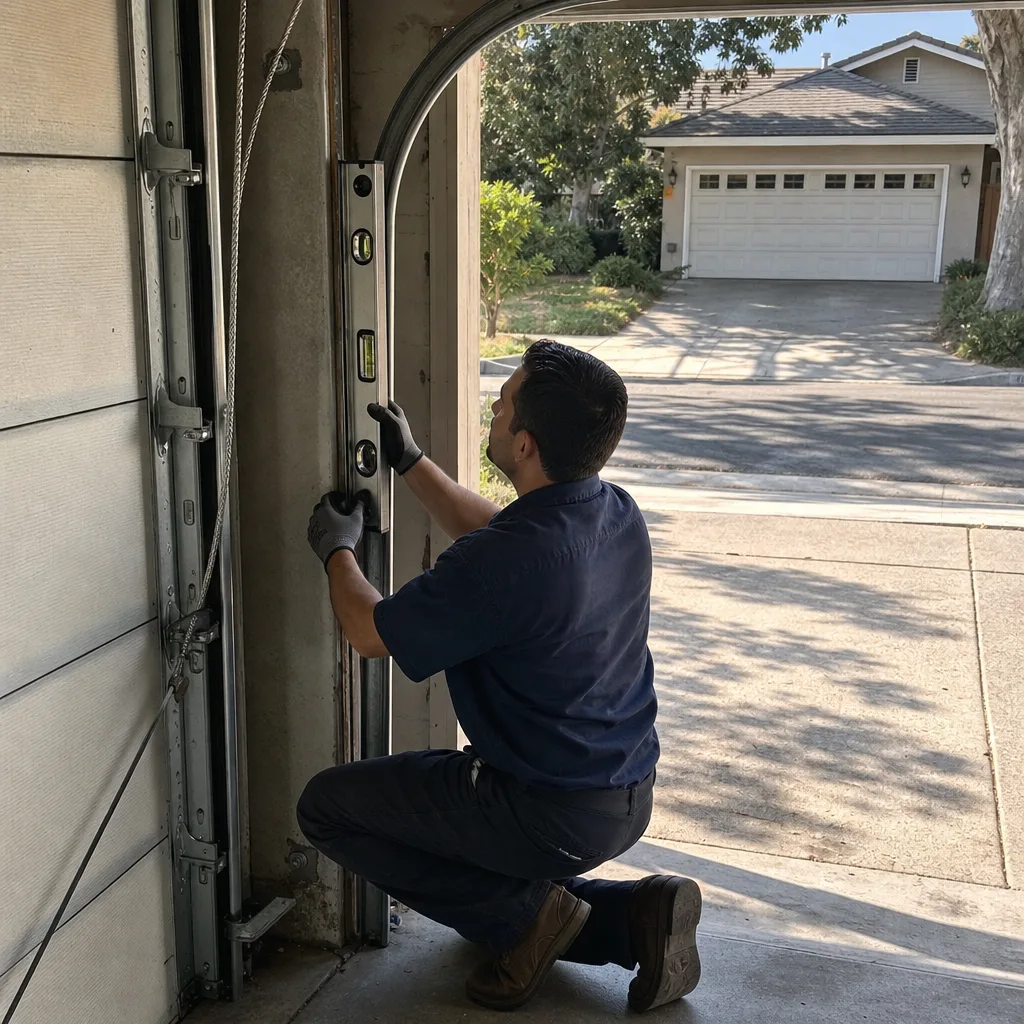
Every automatic garage door opener installed in California must comply with UL 325, the safety standard for door, drapery, gate, and louver systems. There are several UL 325 revisions - the most recent, UL 325-2010, introduced more rigorous entrapment protection requirements - and every new opener sold today from brands like LiftMaster, Chamberlain, and Genie is built to the current standard. The code requirement applies to the installed system, not just the opener itself.
Here is what an inspector or a diligent contractor checks for on entrapment protection:
- Photo eye sensors mounted no higher than 6 inches above the floor on each side of the door opening, aligned correctly, and wired to reverse the door if the beam is broken.
- Mechanical reversal engaging when the door encounters resistance. The door should reverse within 2 seconds of contact with a 1.25-inch high solid object placed on the floor, though the exact test protocol varies by opener model.
- Force settings adjusted so the door stops and reverses with minimal resistance. An opener with the force setting cranked up is noncompliant and dangerous.
- Manual release handle present and reachable, typically red and hanging no higher than 6 feet from the floor.
- Warning labels affixed to the wall control and the emergency release mechanism, in compliance with the opener manufacturer’s marking requirements.
A Pasadena inspection for a permitted installation will verify these items as part of the final inspection. But here is the practical gap: if you replace an opener without a permit, as most homeowners do, no city inspector ever checks the entrapment protection. That means the safety of that installation depends entirely on the competence of the installer. This is one reason we photograph and document entrapment protection settings on every opener installation we perform in Pasadena. The documentation is not required by code; it is just the only way to prove the work was done correctly when no city inspector signs off.
The HOA Layer: Pasadena and Altadena Design Review
The city permit and the HOA approval are two separate systems, and neither one cares about the other. Pasadena Building & Safety does not check HOA status when issuing a permit. The HOA does not check permit status when approving a design change. Both are your responsibility to satisfy.
In Pasadena proper, the majority of single-family homes are not in HOAs, but pockets of HOA-governed neighborhoods do exist, particularly in newer developments and some planned communities. Altadena, directly to the north, has a different pattern with several neighborhoods under active design review boards. Condominium and townhome properties in both communities nearly always have an HOA layer.
What triggers HOA design review for garage door work? The typical covenant language requires approval for any change to the “exterior appearance” of the home. A garage door is the largest single visual element of most front elevations, so replacing it with a different material, color, or style is almost always a reviewable change. Replacing a door with the same style and color is usually exempt, but the covenant language varies.
Here is the sequence when both approvals are required:
- Submit the design change application to the HOA architectural review committee, including the door specification and a color sample or photo.
- Wait for HOA approval, which typically takes 30 to 60 days depending on the review board’s meeting schedule.
- Apply for the Pasadena Building & Safety permit once HOA approval is in hand. The permit application can reference the approved design.
- Complete the installation.
- Schedule and pass the city inspection.
- Keep both approvals in your records for resale disclosure.
The HOA approval adds time and paperwork, but skipping it is a different kind of problem than skipping the city permit. An HOA can compel you to remove or modify a noncompliant door at your expense, and unlike the city, the HOA doesn’t need to take you to court to do it. The covenant enforcement power is written into your deed.
What Happens When Unpermitted Work Is Discovered
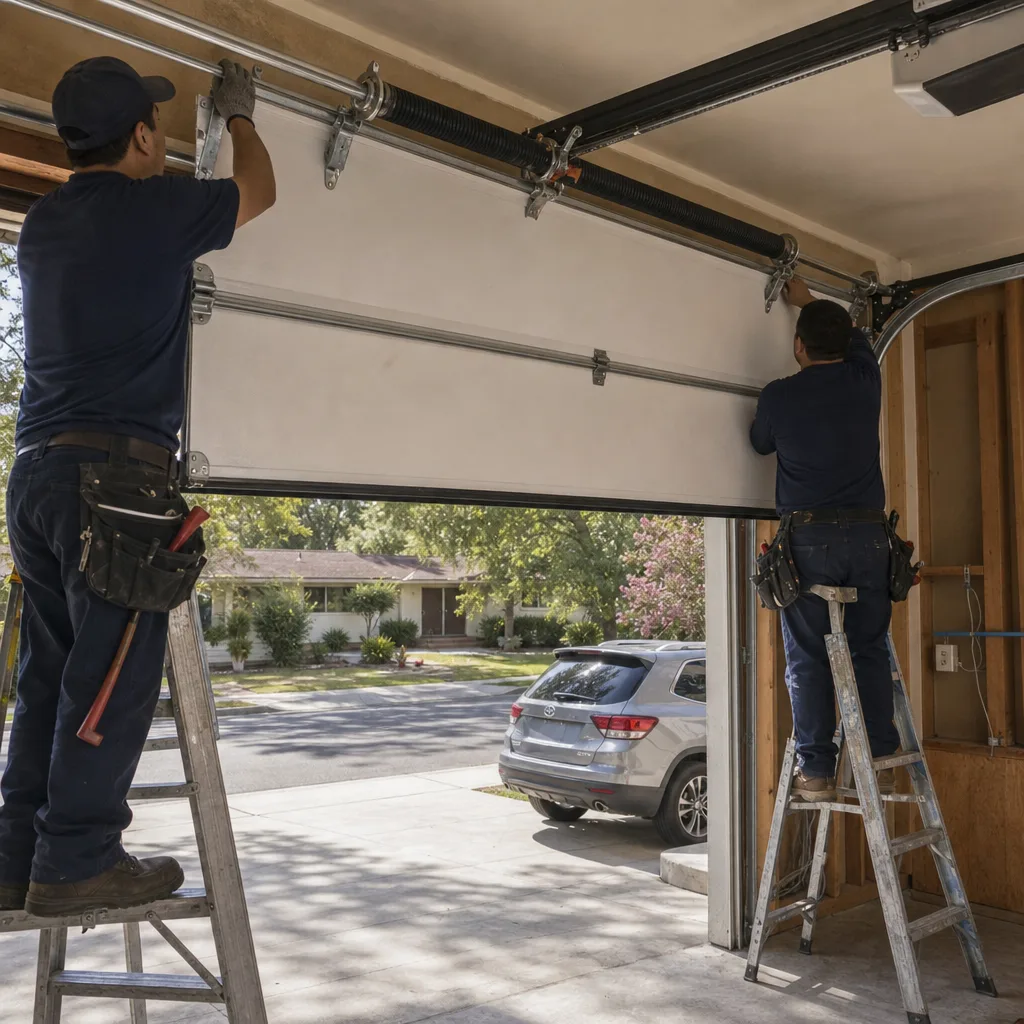
The practical consequences of unpermitted garage door work are more concrete than most homeowners assume. Here is what actually happens in Pasadena and throughout Los Angeles County when unpermitted work surfaces.
At resale. California’s seller disclosure requirements, governed by Civil Code Section 1102, require you to disclose known unpermitted work to a buyer. If you don’t know the work was unpermitted because a contractor told you permits weren’t needed, you still carry the liability. The buyer can pursue you for the cost of retroactive permits, correction of noncompliant work, and diminished value. Title companies increasingly check permit records during escrow on Pasadena properties, and a missing permit on a recent door replacement gets flagged.
On an insurance claim. A homeowners insurance policy covers sudden and accidental damage, but the insurer can deny a claim if unpermitted work contributed to the loss. If a garage door installed without a permit fails and damages a vehicle, or if an improperly secured track assembly tears away from the framing in high wind and damages the garage interior, the adjuster will ask who installed the door and whether a permit was pulled. A permitted installation with a passing inspection is your paper trail in that conversation.
In a building code enforcement action. If Pasadena Building & Safety becomes aware of unpermitted work, typically through a complaint or a separate permit application on the same property, they can require you to obtain a retroactive permit. Retroactive permits cost more than original permits because they include a penalty multiplier, and they require the work to be exposed for inspection. For a garage door, that means removing trim or, in some cases, the door itself to show the inspector the framing.
The incentive structure is backwards in a way that benefits no one except contractors who want to avoid paperwork. The permit costs a few hundred dollars and a few days of processing time. The retroactive permit, the inspection after the fact, and the disclosure headache at resale cost more, both in dollars and in standing in a transaction.
Common Mistakes to Avoid
- Assuming every garage door repair needs a permit. Spring replacements, cable replacements, and opener swaps are mechanical work on an existing structure. No permit means no permit. Over-permitting delays the repair and adds fees for nothing.
- Assuming no garage door work ever needs a permit. The opposite mistake. A full door replacement on a Pasadena home is an alteration to the building envelope, and the city treats it as one.
- Pulling the permit yourself while a contractor does the work. The owner-builder permit pathway exists for homeowners doing their own work. When a licensed contractor performs the work under a homeowner-pulled permit, it creates regulatory confusion and can void the contractor’s liability position.
- Skipping the inspection after a permitted installation. A permit without a final inspection is the same as no permit at all in the city’s records. The inspection is the step that closes the file and creates the paper trail.
- Ignoring the HOA because the city permit was approved. The two approvals run in parallel. HOA design review authority is separate from municipal code enforcement, and the HOA has remedies available that the city does not.
- Believing a contractor who says permits “aren’t really enforced” in Pasadena. Pasadena Building & Safety enforces permit requirements most visibly at resale, through title company permit checks and seller disclosure obligations. The enforcement is quiet, but it is real.
When to Call a Professional
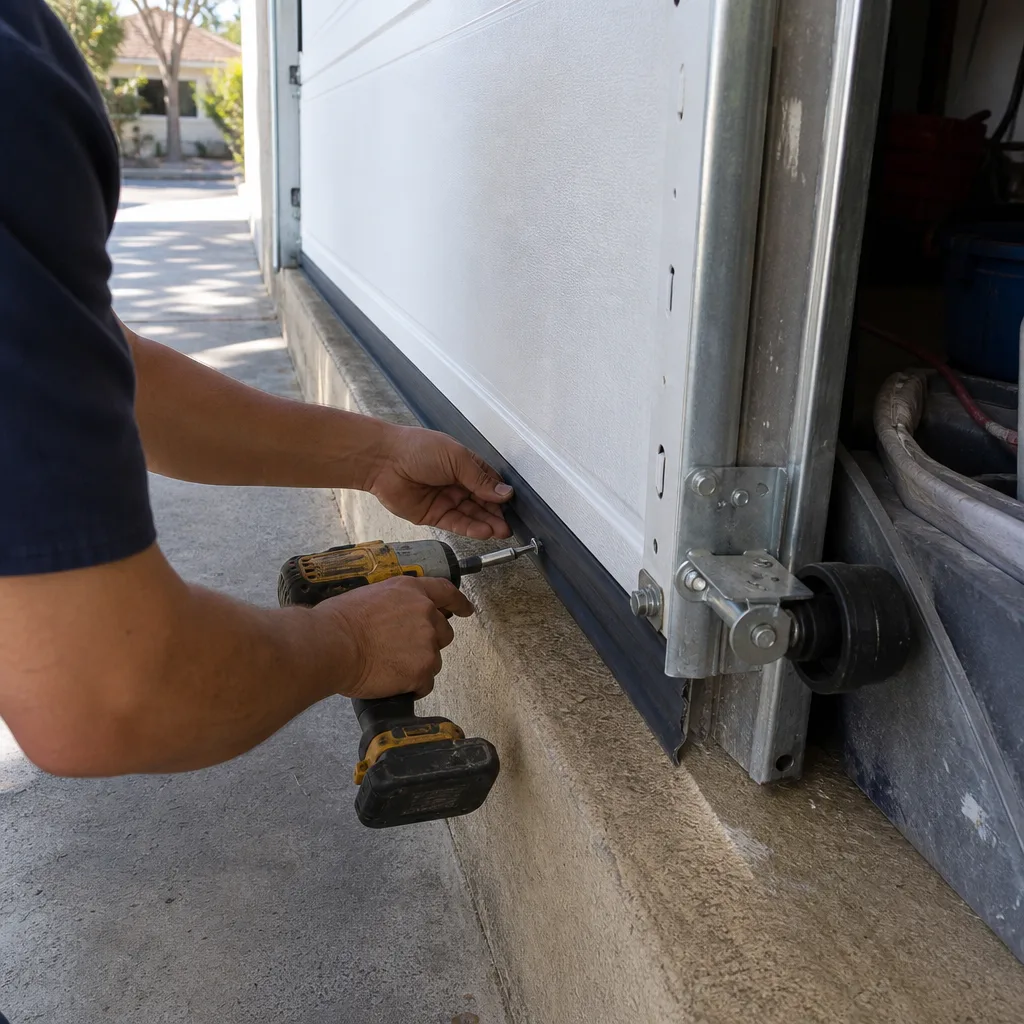
A full garage door replacement in Pasadena is not a do-it-yourself project, and it is not a handyman project. The door assembly weighs between 150 and 400 pounds depending on material and insulation, and the torsion spring system carries enough stored energy to cause serious injury if mishandled. If your project involves a permit, a structural opening, or entrapment protection compliance, a licensed contractor with garage door experience is the appropriate call. Servo Garage Doors Pasadena handles the full permit application, schedules the inspection, and provides the documented photo record of the completed installation. Free estimates in Pasadena include a written, flat-price scope before any work begins - call (213) 816-2483.
Frequently Asked Questions
No. Spring replacement is a mechanical repair on an existing, legally permitted structure and falls under the minor repair exemption in the California Building Code. The work can be completed the same day without any Pasadena Building & Safety involvement.
A standard residential garage door replacement permit in Pasadena typically costs between $150 and $400, calculated from the valuation of the door and installation work. The fee is itemized on the permit application before payment, so the exact cost is known upfront. Call (213) 816-2483 for a written, flat-price quote that includes the permit fee as a line item.
The licensed contractor is responsible for pulling the permit, scheduling the inspection, and being present for the inspection. A contractor who asks the homeowner to pull the permit is shifting a regulatory burden that belongs to them.
Yes. Opener installation, including the motor, rail, and entrapment protection sensors, is mechanical work that does not change the structure of the opening and therefore does not require a permit. The installation must still comply with UL 325 entrapment protection standards, which no city inspector verifies without a permit - so the installer’s competence matters more, not less.
The inspector verifies three things: the door and track system are installed to manufacturer specification, the header and jambs are adequate for the load, and the entrapment protection features (photo eyes, reversal mechanism, force settings) are functional. The inspection takes about 15 to 20 minutes.
Altadena is an unincorporated Los Angeles County community, so it falls under LA County Building and Safety rather than Pasadena Building & Safety. The permit requirements are broadly similar because both jurisdictions enforce the California Building Code, but the application process, fee schedule, and inspection scheduling go through the county. HOA design review patterns also differ, with several Altadena neighborhoods under active architectural review boards. If you need garage door repair in Pasadena or the surrounding area, verify jurisdiction before applying for a permit.
The Bottom Line
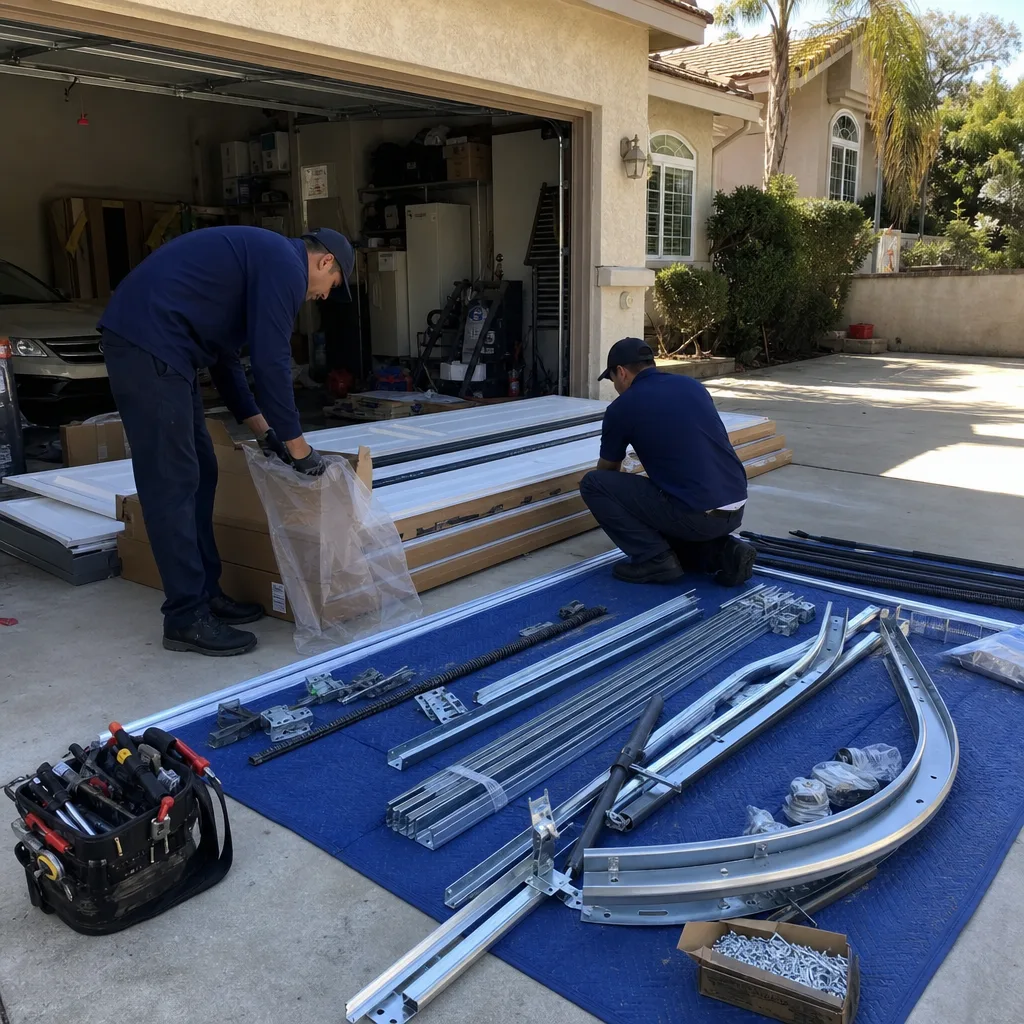
The permit line for garage door work in Pasadena is narrow and bright: mechanical repairs on an existing door require no permit; full door replacements and structural modifications do. Knowing which side of the line you’re on saves money on unnecessary permits and protects you from the quiet, long-tail consequences of unpermitted work at resale, in insurance claims, and in HOA enforcement. The contractor’s permit responsibility is part of their license obligation, which means the right contractor makes the paperwork part of the job, not an optional extra. For garage door installation in Pasadena, garage door opener repair and installation, or any permit and code question, the documentation is the deliverable - and the permit file closes correctly the first time. Contact Servo Garage Doors Pasadena for a free estimate at (213) 816-2483.
Written by Marcus Deller, Owner at Servo Garage Doors Pasadena, serving Pasadena since 2015. Browse more guides & resources.